
Питт: Гуманная смерть - 1
✏️ К этой сцене есть урок: словарь, транскрипт и задания прямо под видео. Начать ↓Урок из шагов · 15-20 минут
Посмотрите сцену, разберите слова и закрепите их заданиями.
Доктор Робби говорит с братом и сестрой о болезни их отца.
▸ Подробности сюжета
Это отделение неотложной помощи в больнице Питтсбурга.
Хелен и Джереми — взрослые дети мистера Спенсера.
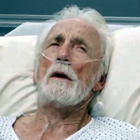
Мистера Спенсера только что доставили в отделение неотложной помощи.
Видео можно пересматривать в любой момент, даже во время заданий. Прогресс сохранится — продолжите с того же места.


Нужна подписка
Задания, вопросы, тесты и другие материалы доступны только подписчикам. Оформите подписку, чтобы получить полный доступ ко всем урокам.
Оформить подпискуИли попробуйте бесплатный урок: Офис: Сокращение
Каким выражением из этого урока можно заменить выделенное?
Расставьте события сцены в правильном порядке — стрелками ▲▼.
💡 Не знаете слово в вопросе? Нажмите на него — покажем перевод.
Соберите предложение:
Пропущено.
Правильных ответов из пройденных
✅ Урок выучен! ⚠️ Результат ниже 70% — рекомендуем повторить урок.
Возможно, урок не вашего уровня — определите свой за 2 минуты.
Результат сохранён ✅
Хотите, чтобы новые слова запомнились сами? С подпиской словарь каждого пройденного урока уходит в Telegram-бота — и он напоминает слово ровно в тот день, когда его пора повторить.
- 🔁Интервальные повторения переводят слова в долгую память — без усилий с вашей стороны
- 🔓Плюс полный каталог: все фильмы и сериалы, а не только бесплатные уроки
Закрепите результат за собой
Создайте бесплатный аккаунт за 30 секунд, чтобы результат сохранился в ваш профиль автоматически.
- 📊История прохождений и статистика по каждому уроку
- 📖Слова из урока уходят в Telegram-бота и сами приходят на повторение
- 🎯Подскажем, какой урок проходить следующим
- ⭐Избранное — сохраняйте уроки, к которым хотите вернуться
Уже есть аккаунт? Войти
📖 Закрепите новые слова
Привяжите Telegram-бота — тогда слова из этого урока сами попадут в очередь на повторение, и бот пришлёт их вам, когда придёт время.
Нажмите на слово — покажем перевод.
Dr. Robby.
ˈdɑktər. ˈrɑbi.
Yep.
jɛp.
The son and daughter of Mr. Spencer from Assisted Living. They're here.
ðə sən ənd ˈdɔtər əv ˈmɪstər. ˈspɛnsər frəm əˈsɪstɪd ˈlɪvɪŋ. ðɛr hir.
Okay. I'll be right there.
ˌoʊˈkeɪ. aɪl bi raɪt ðɛr.
Your father has pneumonia and a condition called sepsis.
jʊr ˈfɑðər həz nəˈmoʊnjə ənd ə kənˈdɪʃən kɔld ˈsɛpsɪs.
What is that exactly?
wət ɪz ðət ɪgˈzæktli?
It means that the bacteria has spread from his lung to his bloodstream. So far, he's been responding well to treatment.
ɪt minz ðət ðə bækˈtɪriə həz sprɛd frəm hɪz ləŋ tɪ hɪz ˈblədˌstrim. soʊ fɑr, hiz bɪn rɪˈspɑndɪŋ wɛl tɪ ˈtritmənt.
Hey, pop. It's Helen and Jeremy.
heɪ, pɑp. ɪts ˈhɛlən ənd ˈʤɛrəˌmi.
Jeremy. Hillary. Blue Fudge.
ˈʤɛrəˌmi. ˈhɪləri. blu fəʤ.
It's the Nowhere Man from Yellow Submarine. It's what he used to call me when I didn't do my homework.
ɪts ðə ˈnoʊˌwɛr mæn frəm ˈjɛloʊ ˌsəbmərˈin. ɪts wət hi juzd tɪ kɔl mi wɪn aɪ ˈdɪdənt du maɪ ˈhoʊmˌwərk.
Is this his baseline?
ɪz ðɪs hɪz ˈbeɪsˌlaɪn?
He has good days and bad days.
hi həz gʊd deɪz ənd bæd deɪz.
Why don't we step out for one more second?
waɪ doʊnt wi stɛp aʊt fər wən mɔr ˈsɛkənd?
So, your father came in with low blood pressure, which is improving.
soʊ, jʊr ˈfɑðər keɪm ɪn wɪθ loʊ bləd ˈprɛʃər, wɪʧ ɪz ˌɪmˈpruvɪŋ.
Can he go back to assisted living?
kən hi goʊ bæk tɪ əˈsɪstɪd ˈlɪvɪŋ?
Eventually, we hope so. Your dad has an advance directive expressing his wishes, which says that IV fluids and medications
ɪˈvɛnʧəwəli, wi hoʊp soʊ. jʊr dæd həz ən ədˈvæns dɪˈrɛktɪv ɪkˈsprɛsɪŋ hɪz ˈwɪʃɪz, wɪʧ sɪz ðət iv fluɪdz ənd ˌmɛdəˈkeɪʃənz
are okay, but no artificial life support, no CPR.
ər ˌoʊˈkeɪ, bət noʊ ˌɑrtəˈfɪʃəl laɪf səˈpɔrt, noʊ cpr.
He doesn't want a bunch of machines keeping him alive.
hi ˈdəzənt wɔnt ə bənʧ əv məˈʃinz ˈkipɪŋ ɪm əˈlaɪv.
Okay, then we will continue with oxygen and IV fluids and antibiotics. But if his lungs stop working, we're not going to
ˌoʊˈkeɪ, ðɛn wi wɪl kənˈtɪnju wɪθ ˈɑksɪʤən ənd iv fluɪdz ənd ˌæntibaɪˈɑtɪks. bət ɪf hɪz ləŋz stɑp ˈwərkɪŋ, wɪr nɑt goʊɪŋ tɪ
place a tube in his windpipe for a breathing machine.
pleɪs ə tub ɪn hɪz windpipe fər ə ˈbriðɪŋ məˈʃin.
But pneumonia is treatable.
bət nəˈmoʊnjə ɪz ˈtritəbəl.
Most of the time it is.
moʊst əv ðə taɪm ɪt ɪz.
But if he can get better in a week, then put him on a machine.
bət ɪf hi kən gɪt ˈbɛtər ɪn ə wik, ðɛn pʊt ɪm ɔn ə məˈʃin.
That's not what he wanted.
ðæts nɑt wət hi ˈwɔntɪd.
Do either of you have durable power of attorney for healthcare?
du ˈiðər əv ju hæv ˈdʊrəbəl paʊər əv əˈtərni fər ˈhɛlθˌkɛr?
Yes.
jɛs.
We both do.
wi boʊθ du.
Okay. Well, this is a decision that does not need to be made right now. Why don't you think about it, talk about it? If things
ˌoʊˈkeɪ. wɛl, ðɪs ɪz ə dɪˈsɪʒən ðət dɪz nɑt nid tɪ bi meɪd raɪt naʊ. waɪ doʊnt ju θɪŋk əˈbaʊt ɪt, tɔk əˈbaʊt ɪt? ɪf θɪŋz
get worse, sometimes allowing for a comfortable natural death can be the most humane path.
gɪt wərs, ˈsəmˌtaɪmz əˈlaʊɪŋ fər ə ˈkəmfərtəbəl ˈnæʧərəl dɛθ kən bi ðə moʊst hjuˈmeɪn pæθ.
Включите фразу из сцены, повторите её вслух, затем сверьтесь с текстом.
Your father has pneumonia and a condition called sepsis.
It means that the bacteria has spread from his lung to his bloodstream.
So far, he's been responding well to treatment.
He has good days and bad days.
Why don't we step out for one more second?
So, your father came in with low blood pressure, which is improving.
Your dad has an advance directive expressing his wishes, which says that IV fluids and medications are okay.
He doesn't want a bunch of machines keeping him alive.
Then we will continue with oxygen and IV fluids and antibiotics.
But if his lungs stop working, we're not going to place a tube in his windpipe for a breathing machine.
Most of the time it is.
But if he can get better in a week, then put him on a machine.
Do either of you have durable power of attorney for healthcare?
Well, this is a decision that does not need to be made right now.
Sometimes allowing for a comfortable natural death can be the most humane path.
- Jeremy and Helen have different feelings. What are they? Who do you sympathize with more in this situation?
- What would your advance directive be for a situation like this?
- How effectively does Dr. Robby explain the situation and prognosis? What could be clarified?
- Helen focuses on reversibility. Jeremy focuses on patient wishes. How would you navigate this family disagreement?
- What is the difference between withholding treatment and withdrawing treatment in this situation? How might families perceive the difference?
- When someone is very old and very sick, in your opinion, who should make decisions? The patient (through an advance directive)? The family? The doctors?
- The doctor says that sometimes allowing for a natural death can be the most humane path. What does he mean? Do you agree? For medical professionals:
- Who in your life would you most trust with durable power of attorney for your healthcare directives? Why?
- Should doctors encourage completing advance directives earlier in life (perhaps during primary care visits)? If so, starting at what age? Explain your position.
- Evaluate the doctor’s communication style when discussing the advance directive. What did he do well? Did he use “prognostic framing” (describing the best case, describing the worst case describing the most likely case)?